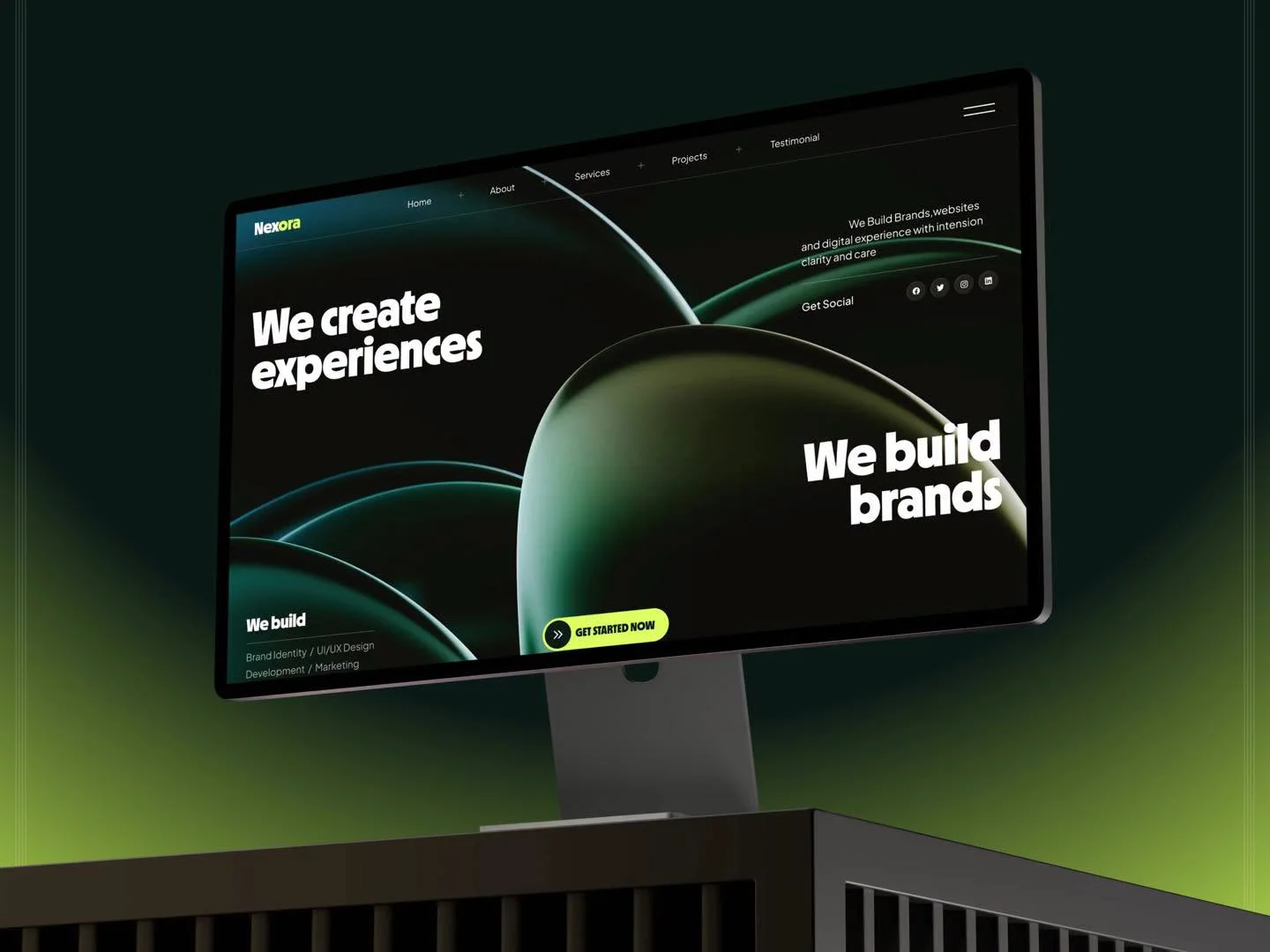
A brand that only lives in a logo file stops being useful the moment a team has to design a screen it never saw. The brands that hold up are the ones that answer product questions, not just aesthetic ones.
A brand is a set of decisions, not a mood
Colour palettes and type choices are the visible part, but the real value of a brand system is the decisions it makes for you: how much emphasis a primary action gets, how dense a data table is allowed to be, how a warning should feel different from a confirmation.
When those decisions are encoded, a designer touching the product for the first time makes the same call the founder would have. That consistency is not cosmetic, it is what makes a product feel trustworthy.
Design tokens are where brand meets build
The bridge from identity to interface is a shared vocabulary, tokens for colour, spacing, type, and motion that both the design files and the code reference by the same name. Change the token, and the whole product moves together.
Without that shared layer, brand and product drift apart within a release or two. With it, the brand keeps showing up in every new screen without anyone having to police it.
Test the system on the hard screens
Any system looks good on a marketing page. The real test is the empty state, the error, the dense settings panel, the screens where teams usually improvise. A brand system earns its keep by having an answer there too.
Design those unglamorous cases early and the rest of the product inherits the same confidence for free.